
Tuesday, 29 September 2015


Representations of Stereotypes
In society, we have expectations of certain denominations based upon race, gender etc. These representations are often based strongly upon stereotypes, especially those exaggerated by the media.
Age:
In the media, youths and young adolescents are often portrayed as quite rude and are often obsessed with either themselves or social media/technology. This is the stereotypical view of teenagers, however, this is not necessarily true. The older age groups are often portrayed as weak and feeble and not capable of much. This is not necessarily true however there are exceptions where older people are portrayed as much more outgoing. While this is not very accurate it gives a much more positive image about old age. The middle aged group is hard to comment upon as, since this is the most used age group in TV, they are often portrayed in multiple ways depending on age, genter etc.

In the media, females are generally portrayed as the lesser sex. They are portrayed as weaker and are often depicted doing remedial tasks such as cooking and cleaning. Men are generally stronger and engage in more "masculine" jobs like firefighter. There are exceptions, such as in TV's Chuck, however in these circumstances the roles are usually reversed making the man weaker and the woman stronger. Men and women are very rarely equal.
Race:
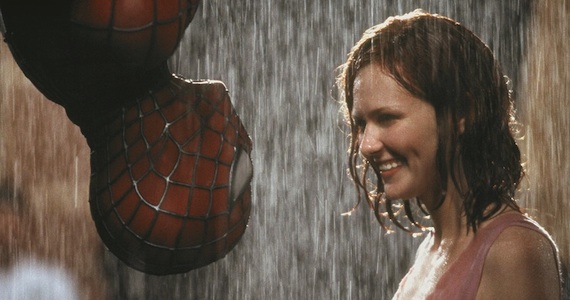
People normally appear differently depending on their race. The Caucasian race is depicted either normally or as superior while other races are often portrayed as minorities and appear in quite stereotypical roles.
Disability:
The disabled are often portrayed poorly in the media as they are generally portrayed as weak and thus normally appear to be the victims.
Socio-economic status:
generally, the lower your class, the worse you are depicted. In the media the lower classes are portrayed as delinquents who partake in drinking and drug abuse, like the characters in TV's Skins. The higher classes are often portrayed as quite snobby and rude and often dress in luxurious clothing that would not normally be worn. The middle class is the best portrayed class in the media as they are portrayed as normal human beings.
Nationality:
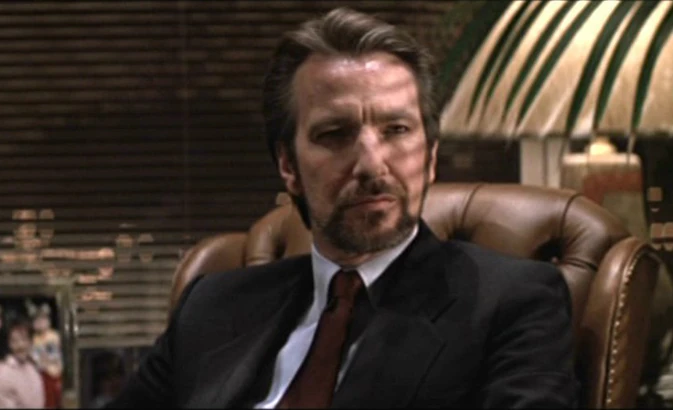
Foreigners are often portrayed poorly in the media. They are generally portrayed as different and strange, for example Indian women are often seen wearing shawls that they would not normally wear as everyday clothing. Depending on their nationality people may also be treated as evil in the media. In American media the British are often depicted as evil (like Hans Gruber in Die Hard) and in British films like James Bond the Russians are often the villains.
Sexuality:
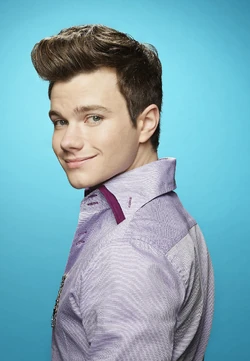
Homosexuals are somewhat of a rarity in the media. When they are shown they are often portrayed in a negative manner since they often act in an extremely camp manner or are shown going for any man they can get. By far the heterosexuals are shown in the best light since they get to act like normal people. Bisexuals are very rarely depicted.
Thursday, 17 September 2015
Linear Shots
A linear shot is one long continuous shot taken with a moving camera. Linear shots are used most commonly in dramas. This is because these long shots are useful for setting the tone of a film/TV show. For example, a shot tracking a man walking down the street can show, via his posture/expression/etc., what mood he is in and thus whether the film has a light or dark tone.
This episode of It's Always Sunny In Philadelphia
was filmed almost entirely as one continuous shot
POV and Over the Shoulder Shots
POV (Point of View) Shots:
POV shots are not the most commonly used shots in film and TV. They are used to show the perspective of characters or objects in the world or to hide the identity of specific characters. These are most commonly used in horror films to show the perspective of the creature/murderer approaching a character.
Over the Shoulder Shots:
Over the shoulder shots are commonly used in conversation. This is because it allows the viewer to see the person talking from the perspective of the other person while keeping them in shot. These shots are also used to hide the identity of speakers in conversation or to show an object in the hands of a character.

POV shots are not the most commonly used shots in film and TV. They are used to show the perspective of characters or objects in the world or to hide the identity of specific characters. These are most commonly used in horror films to show the perspective of the creature/murderer approaching a character.
Over the Shoulder Shots:
Over the shoulder shots are commonly used in conversation. This is because it allows the viewer to see the person talking from the perspective of the other person while keeping them in shot. These shots are also used to hide the identity of speakers in conversation or to show an object in the hands of a character.
Shot Reverse Shot
These shots are commonly used in conversation. This is because these shots involve a series of separately filmed shots edited together to make one scene. However these differ from match on action shots since the shots edited together will be the reverse of each other. For example, in a scene where two characters are having a conversation shots of each character could be edited together so that the viewer can see who is talking while they are talking. This allows the viewer to see facial expressions and queues that allude to a deeper meaning in the overall story.
Match on Action
Match on action involves a series of separately filmed shots edited together to make one continuous scene. This type of shot is commonly used in action movies for fight scenes containing several characters at once.
Subscribe to:
Posts (Atom)