How was it received?
Well. The film developed a cult following and the film made an overall profit of 3 times its initial profit What makes it a 'Brit Flick'?
The film is written by a British writer - using British humour - and made by a British production company. In which ways could it be considered a 21st Century, postmodern film?
The film uses modern sites like MySpace which shows that the film is not trying to be 'the new Batman'.
Based on the results I have gathered I have decided that, while we are still doing a thriller, it may benefit us to make it more action heavy with occasional comic relief. I have reached this conclusion since both action and comedy scored very highly on the favorite film genre question.
There are many characters in the media, both male and female. While some adhere t the stereotypes placed upon their gender, some go directly against them. Here are some examples of some men and women who both challenge and adhere to their gender's stereotypes.
Male and female characters adhering to their gender's stereotypes: Male
Jack Shepard (from TV's LOST) fits the male stereotypes. He is a strong character who leads the group. Female Shirley Bennett (from TV's Community) perfectly fits the stereotypes placed upon her gender. Shirley lives to serve her family and is deeply religious. She is also obsessed with cooking and baking. Shirley is the perfect stereotypical housewife. Male and female characters challenging their gender's stereotypes: Male
Morgan Grimes (from TV's Chuck) challenges several stereotypes placed upon the male gender. Generally, males are seen as the stronger gender. Morgan counters this stereotype as he is incredibly week and not brave (he squeals regularly). males in the media also, usually, control situations. Morgan counters this as he is never in control. Female
Sarah Walker (from TV's Chuck), while remaining a sexual object for the male gaze, does challenge several gender specific stereotypes. For example, Sarah's primary role within the show is as a spy. This results in a lot of fighting. She fights the same way as the men in the show, removing the stereotype hat women are weaker than men. In addition there are several scenes in the show, such as clips of her cooking, that challenge the stereotype that all women occupy the position of housewives and are skilled at remedial tasks like cooking and cleaning.
The intro credits to The Hitchhiker's Guide to the Galaxy entails the dolphins' goodbye message, taken from the book, read by the narrator, Stephen Fry. The intro is effective as it, from the start, links the film to the book and establishes the overall tone. The scene also includes the message re-purposed as a a song. This is what establishes the tone as it takes the seriousness of the opening lines and creates a contrast, using the stupidity of the song, showing that this film is not going to be serious whatsoever. The opening camera shots are in a small format, only taking up a portion of the screen. This gives the impression that the footage was filmed on a camera phone which makes sense as the footage is of dolphins in a water park show. When the song sung by the dolphins begins, the shots finally fill the screen. This also makes sense in the context of the film as the dolphins in the film, as stated in the opening lines, are more intelligent than humans. The contrast of the humans' small shots with the dolphins' larger counterparts imply the message that the dolphins, being smarter, are getting a bigger picture than the humans.
This intro introduces the characters, crediting their actors as it does so. In this intro, the main characters are walking through a car park with The George Baker Selection's "Little Green Bag" playing over the video. The characters walk in slow motion which was achieved by doubling each frame. The intro is suitable to the film as it shows how calm and collected the characters are which is necessary information at the start of the film. Additionally, the intro sets the tone of the film by showing the main characters walking in slow motion, which makes it effective as this tone is carried throughout.
In society, we have expectations of certain denominations based upon race, gender etc. These representations are often based strongly upon stereotypes, especially those exaggerated by the media. Age:
In the media, youths and young adolescents are often portrayed as quite rude and are often obsessed with either themselves or social media/technology. This is the stereotypical view of teenagers, however, this is not necessarily true. The older age groups are often portrayed as weak and feeble and not capable of much. This is not necessarily true however there are exceptions where older people are portrayed as much more outgoing. While this is not very accurate it gives a much more positive image about old age. The middle aged group is hard to comment upon as, since this is the most used age group in TV, they are often portrayed in multiple ways depending on age, genter etc.
Gender:
In the media, females are generally portrayed as the lesser sex. They are portrayed as weaker and are often depicted doing remedial tasks such as cooking and cleaning. Men are generally stronger and engage in more "masculine" jobs like firefighter. There are exceptions, such as in TV's Chuck, however in these circumstances the roles are usually reversed making the man weaker and the woman stronger. Men and women are very rarely equal.
Race:
People normally appear differently depending on their race. The Caucasian race is depicted either normally or as superior while other races are often portrayed as minorities and appear in quite stereotypical roles.
Disability:
The disabled are often portrayed poorly in the media as they are generally portrayed as weak and thus normally appear to be the victims.
Socio-economic status:
generally, the lower your class, the worse you are depicted. In the media the lower classes are portrayed as delinquents who partake in drinking and drug abuse, like the characters in TV's Skins. The higher classes are often portrayed as quite snobby and rude and often dress in luxurious clothing that would not normally be worn. The middle class is the best portrayed class in the media as they are portrayed as normal human beings.
Nationality:
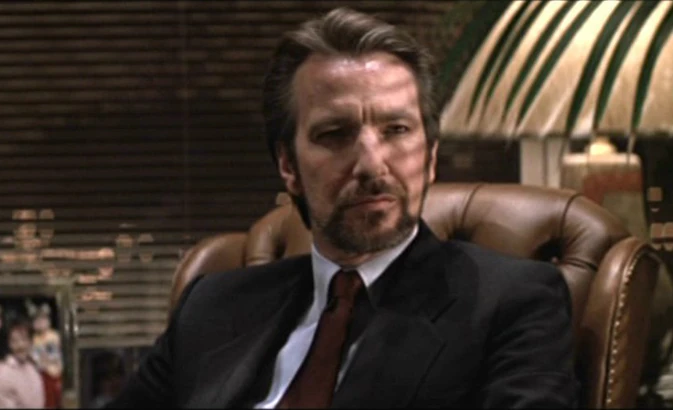
Foreigners are often portrayed poorly in the media. They are generally portrayed as different and strange, for example Indian women are often seen wearing shawls that they would not normally wear as everyday clothing. Depending on their nationality people may also be treated as evil in the media. In American media the British are often depicted as evil (like Hans Gruber in Die Hard) and in British films like James Bond the Russians are often the villains.
Sexuality:
Homosexuals are somewhat of a rarity in the media. When they are shown they are often portrayed in a negative manner since they often act in an extremely camp manner or are shown going for any man they can get. By far the heterosexuals are shown in the best light since they get to act like normal people. Bisexuals are very rarely depicted.
The ABC1 table deals vastly with stereotypes. The ABC1 Table is used to show how specific films would be marketed at specific audiences. For example, escapism films (like Fast and Furious) are more likely to appeal to those in the C2-E range. While, the more dramatic films (like Schindler's List) are more likely to appeal to those in the A-C1 range.
Interviewee looks/talks into space in the frame (and towards the interviewer)
Moving subject walks into space
Tilted frame
Low angle shot (looking up)
High angle shot (looking down)
Point of view shot
Example:
In this scene from one of the Harry Potter sequels, a high angle shot has been used. This is because Harry has just been knocked to the ground by a dementor. The low angle shot is used to show how powerless Harry is in this scenario as he is being looked down upon by the dementor and the viewer.
Usage:
Medium and long shots are used to show the viewer the environment/setting surrounding the character(s) on screen. This relieves tension as the surroundings are no longer a mystery to the viewer and because of this comforting effect, these shots are often used in comedies. These shots can however be used together to create a dramatic effect in needed, for example a scene could start with a BCU that then panned into a MLS (Medium Long Shot), slowly revealing the surroundings to the viewer.
Example:
In this scene from Cowboys & Aliens, a MLS has been used. This is used for several reasons. Firstly it shows the surrounding environment of the main character and that the streets are completely clear, creation a sense of tension. Secondly the shot shows the light of an alien ship in the distance in front of the main character. This shows that viewer what the main character will be up against which creates a further sense of tension as the shot also shows how unequipped the main character is. The MLS has been used so that the viewer can see that the main character is equipped with nothing more than a revolver pistol in his battle against an alien ship.
Usage:
Close-up shots can be used for a myriad of reasons. For example, they could be used to hide a background/setting from the viewer however they could also be used to exaggerate the emotion on an actor's face. They could also be used together for different effects, for example, a big close up could pan out to a medium close up, slowly revealing the environment to the viewer. Example:
This is a shot from the film Taken. This BCU (Big Close Up) shot is used to create a sense of drama. This effect is achieved as, in this scene, the girl depicted is unaware of her surroundings which is a terrifying situation in which to be. The viewer, by not being shown the surroundings thanks to the BCU is pulled into feeling the terror felt on screen by the main character's daughter.
Costume:
Police
Hoodies/jeans (delinquent clothes) Makeup:
Wounds Props:
Guns
Knives
Other weapons
Drugs Setting:
Alleyways
Diners
Apartments
Drug production locations Lighting:
Dark
Police car lights
Helicopter spotlights Stance:
Depressed (hunched over) Use of colour:
Red/blue for police car lights Sound:
Sirens
Gunshots
(Possible) Narrator
Costume:
Big bow ties
Big suits
Regular/casual clothes - depending on setting
Makeup:
None to little Props:
Banana peel
Rake
Deep puddles Setting:
Depends on plot (e.g. Parody) Lighting:
Bright
Sun Stance:
Normal stance
Confident
Use of colour:
Bright Sound:
Boing sounds
Laugh track
Costume:
Cloaks/capes
Blood/wounds
Black/dark clothes
Torn clothes
Makeup:
Gore
Wounds Props:
Various weapons
Detached heads
Pumpkins Setting:
Woods
Cabins
Castles
Apartments
Abandoned buildings Lighting:
Dark/dull
Torchlight
Fire
Candles/lanterns Stance:
Cowering
Towering with raised hands Use of colour:
Red
Sound:
Screams
Strange noises (depending on monster - e.g. The Grudge)
Heavy breathing
Setting:
War zones
Buildings
(Destroyed) Cities Props:
Guns
Knives/swords
Various other weapons Use of colour:
Red (blood)
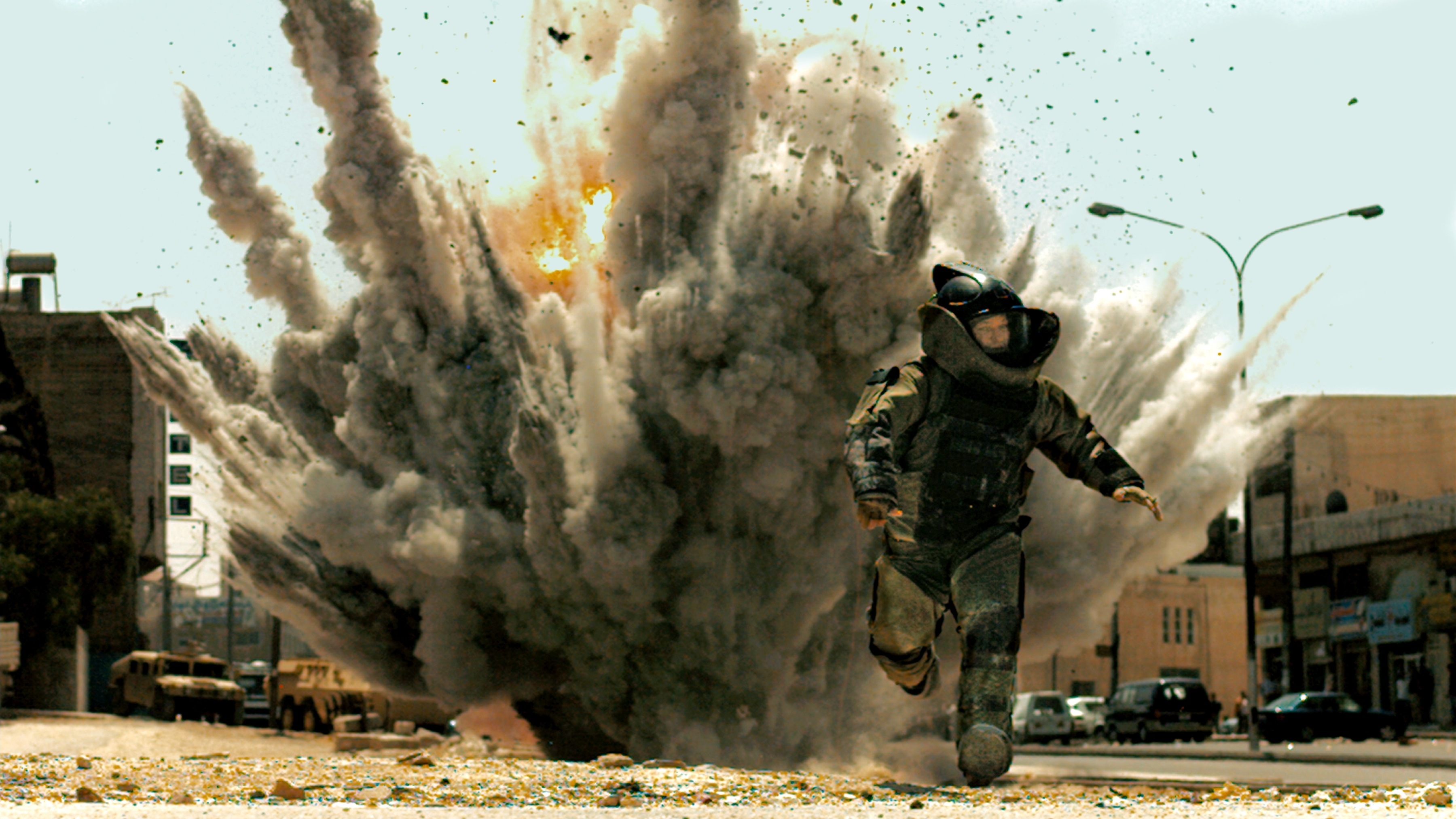
Yellow/white/orange (Muzzle flash/explosions)